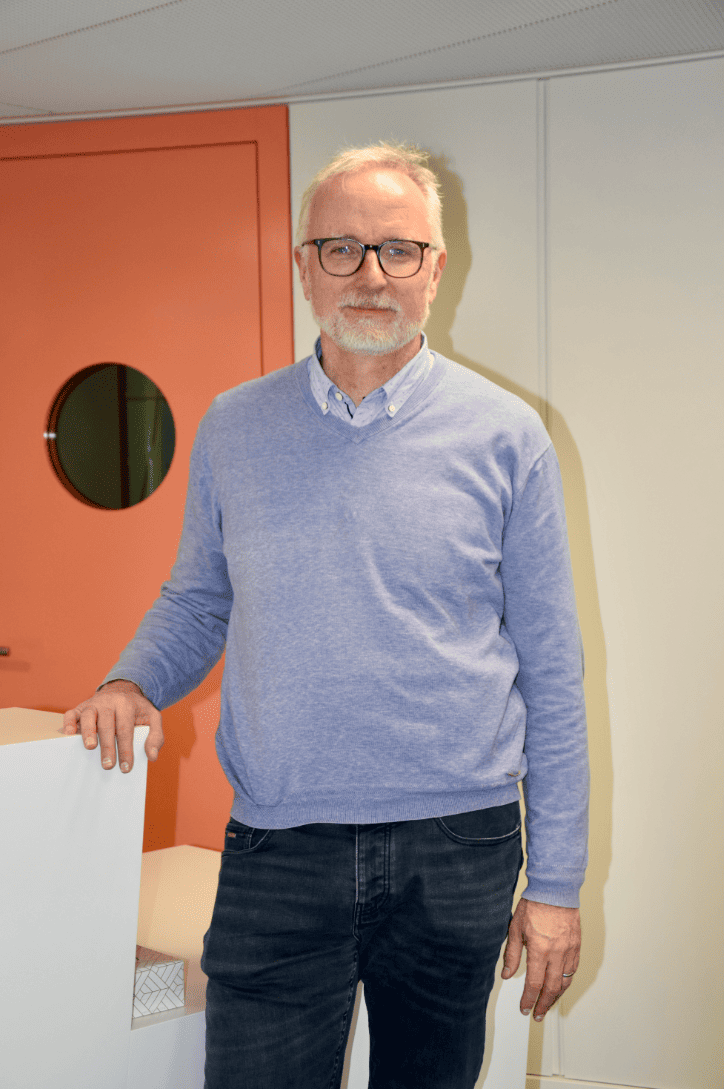
Gregor Berger
FMH für Kinder & Jugendpsychiatrie / FMH Psychiatrie und Psychotherapie (Erwachsenenpsychiatrie)
| | RappjMind AG |
| | Neue Jonastrasse 66, 8640 Rapperswil-Jona |
Ausbildung und beruflicher Werdegang
PD Dr. med. Gregor Berger arbeitet seit dem 1. Mai 2025 als ärztlicher Leiter der RappjMind AG, einer Gemeinschaftspraxis für Kinder, Jugendliche und junge Erwachsene in Rapperswil-Jona (SG). Zuvor war er klinisch und wissenschaftlich an der Kinder- und Jugendpsychiatrie der Psychiatrischen Universitätsklinik Zürich tätig. Dort war er Chefarzt des Krisen-, Abklärungs-, Notfall- und Triagezentrums KANT sowie der aufsuchenden Angebote, des Konsiliardienstes und der Prävention.
Neben seiner klinischen Tätigkeit war Gregor Berger als translationaler Forscher in der Forschungsgruppe von Professor Walitza im Bereich der Versorgungsforschung tätig. Für seine Forschung erhielt er zahlreiche nationale, etwa vom Schweizerischen Nationalfonds, sowie internationale kompetitive Fördermittel, unter anderem von der Stanley Foundation. Seine Forschungsgruppe führte eine Reihe nationaler und internationaler multizentrischer Studien zur Untersuchung neuroprotektiver Substanzen wie Omega-3-Fettsäuren bei neu auftretenden psychischen Störungen durch. Kürzlich erhielt seine Gruppe zudem eine bedeutende Förderung von Gesundheitsförderung Schweiz für die Entwicklung eines Suizidpräventionsprogramms für Jugendliche nach einem Suizidversuch (www.adoassip.ch), das in fünf universitären und acht nicht-universitären Kantonen implementiert wurde.
Gregor Berger studierte Humanmedizin an der Universität Basel. Seine erste fachärztliche Ausbildung in Erwachsenenpsychiatrie absolvierte er an der Universität Bern auf einer Spezialstation für Psychosen. Anschliessend folgte ein mehrjähriger Auslandaufenthalt am international renommierten Zentrum ORYGEN Youth Health in Melbourne, Australien, das auf die Früherkennung und Behandlung beginnender psychischer Störungen spezialisiert ist. Zudem hatte er die Gelegenheit, während sechs Monaten am Clinical Brain Disorders Branch des National Institute of Mental Health in Washington, D.C., USA, zu arbeiten. Nach seiner Rückkehr in die Schweiz leitete er während vier Jahren den Jugendpsychiatrischen Dienst der Integrierten Psychiatrie Winterthur. Im Jahr 2014 wechselte er an die Klinik für Kinder- und Jugendpsychiatrie der Psychiatrischen Universitätsklinik Zürich, wo er das zentralisierte Notfallzentrum KANT für psychisch erkrankte Kinder und Jugendliche im Kanton Zürich leitete und weiterentwickelte, bis er per 1. Mai 2025 in die Selbstständigkeit als ärztlicher Leiter der RappjMind AG wechselte.
Sein wissenschaftlicher Leistungsausweis umfasst unter anderem über 80 publizierte Originalarbeiten. Seine Forschungsgruppe begleitete mehr als 20 Masterarbeiten sowie drei medizinische Dissertationen (MD) und drei psychologische Doktorarbeiten (PhD). Auch in der Lehre engagierte er sich intensiv, insbesondere in der Ausbildung angehender Medizinerinnen und Mediziner der Universität Zürich zu den ärztlichen Rollen im sechsten Studienjahr sowie im Rahmen eines Vorlesungscurriculums zur translationalen Psychiatrie.
Curriculum Vitae (English) Jan 2026
|
|
CURRICULUM VITAE PD Dr. med. Gregor Emanuel Berger
Current Appointment
Medical Head of RappjMind.AG
Personal Data
E-mail gregor.berger@hin.ch (hospital); gregor.berger@kjpd.uzh.ch (university)
|
Work address |
RappjMind AG Neue Jonastrasse 66, 8640 Rapperswil-Jona |
|
Phone work / Handy |
+41 (0)79 579 44 46 |
|
Nationality |
Switzerland (since birth) / Australia (since 2006) |
|
Martial status |
married (since 1998), four Kinder (geb. 2004, 2006, 2009 [twins]) |
|
Languages |
Deutsch (Muttersprache), Englisch (verhandlungssicher in Wort & Schrift), Französisch (fliessend in Wort & Schrift) |
|
Hobbies |
Rowing Club Rapperswil Jona (and Basel), Cross-country skiing |
|
Weblinks |
ORCID https://orcid.org/0000-0003-2030-141X ResearchGate https://www.researchgate.net/profile/Gregor_Berger GoogleScholar Gregor Berger - Google Scholar |
Professional Appointments
|
3/1997-7/1999 |
Psychiatric Registrar, Ersterkranktenstation D2 Bern (Prof. Dr. med. Marco Merlo/ Prof. med. W.K. Strik) |
|
8/1999-2/2000 |
Psychiatric Registrar, Early Psychosis Prevention and Intervention Centre, Mental Health Services for Kids and Youth, Melbourne (Outpatient Team) |
|
2/2000-8/2000 |
Senior Psychiatric Registrar, Youth Access Team, Early Psychosis Prevention and Intervention Centre, Melbourne Health, Australia |
|
9/2000-04/2006 |
Staff Psychiatrist/ Consultant Psychiatrist, Early Psychosis Prevention & Intervention Centre, ORYGEN Youth Health, Parkville, Australia |
|
8/2000-8/2003
|
Senior Fellow, University of Melbourne, Australia as part of a Young Scientist Award of Swiss National Science Foundation & M&W. Lichtenstein Foundation (University of Basel) |
|
07/2005-12/2005 |
Visiting Fellow National Institute of Mental Health, Washington DC (Daniel Weinberger/ Richard Straub) |
|
9/2003- 12/2007 |
Senior Lecturer, University of Melbourne, Department of Psychiatry Head of Unit for Neuroprotection in Young People (UNYP), ORYGEN Research Centre, Melbourne, Australia |
|
1/2008 - heute |
Honorary Senior Lecturer, University of Melbourne, Department of Psychiatry |
|
05/2006- 12/2007 |
Consultant Psychiatrist, University Hospital Basel |
|
01/2008- 1/3/2010 |
Senior Consultant Psychiatrist, Deputy Head of General Adult Psychiatry, Clienia Privatklinik Schlössli, Oetwil am See, ZH |
|
1/4/2010-28/02/2014 |
Senior Consultant Psychiatrist, Head of Adolescent Psychiatric Department, Integrated Psychiatry Winterthur-Zuerich Nord, ZH, Switzerland |
|
03/2014 – 07/2024
07/2024 – 30/4/2025 |
Senior Consultant Psychiatrist, Centralised Emergency Service, Clinic for Child and Adolescent Psychiatry and Psychotherapie (KJPP), Psychiatric University Hospital (PUK), Zürich Chief Psychiatrist, Child and Adolescent Psychiatry, Psychiatric University Hospital (PUK), Zürich, Center for emergency child and adolescent psychiatry, home treatment, liaison psychiatry and prevention |
|
01/2016 – today |
Group leader, Applied Psychiatric Research (Prof. Susanne Walitza), Department of Child and Adolescent Psychiatry, University of Zürich, Zürich |
|
05/2025 - today |
RappjMind AG, Medical head |
Post-gradual training and education (cited in German, as most of the courses were in German)
Psychiatric und psychotherapy training
|
1996 |
Kurs für Psychiatrie und Psychotherapie, 4Lektionen pro Woche, Zürcher Kollegium Psychiatrischer Chefärzte, Burghölzli, CH. 1.Assistentenjahr. Burghölzli, Zürich, CH |
|
1.6.1996 |
Sexueller Missbrauch in der Familie B.Limacher, Ph.D. and H.Csomor-Scheiwiller, MD. EPD Baselland, CH |
|
28./29.11.1996 |
Beziehungsgestaltung und Umgang mit Beziehungsfallen in der kognitiven Verhaltenstherapie. M.Wendisch, Ph.D. EPD Baselland, CH |
|
16.-18.11. & 7. - 9.12.1996 |
Integratives Psychologisches Therapieprogramm (IPT) für chronisch schizophrene Patienten Prof. HD Brenner, MD, Ph.D., V.Roder, Ph.D., B.Hodel, Ph.D., UPD Bern, CH |
|
1997-1998 |
Kurs für Psychiatrie und Psychotherapie des Bernischen Departementes für Psychiatrie 2./3.Assistentenjahr, UPD Waldau, CH. |
|
22./23.3.1997 |
Einführung in die Verhaltenstherapie. N.Kienzle, Ph.D., München, Germany, Akademie für Verhaltenstherapie und Methodenintegtion [AIM], Universitätsklinik und Poliklinik für Psychiatrie, Bolligenstr. 111, CH-3000 Bern 60, CH. |
|
26./27.4.1997 |
Theoretische Grundlagen der Verhaltenstherapie. F.Moggi, UPD Bern, AIM Bern, CH |
|
7./8.6.1997 |
Problem- & Verhaltensanalyse. Prof.D.Schulte, Ph.D., Bochum, Germany, AIM Bern, CH. |
|
21./22.6.1997 |
Standardmethoden der Verhaltenstherapie und Indikationsfragen I. S.Fliegel, Ph.D, AIM, Bern, CH. |
|
6./7.7.1997 |
Self Management Therapy, Prof.F.Kanfer, University of Minnesota, USA, AIM, Bern, CH. |
|
1/97-8/1997 |
Grundlagen der kognitiven Verhaltenstherapie/Therapie der Persönlichkeitsstörungen, speziell Borderline-Störung. Prof. Mervin Smucker, Ph.D., Direktor of the Cognitive Therapy Institute of Milwaukee, Wisconsin, USA (17days) |
|
10./11.10.1997 |
Standardmethoden der Verhaltenstherapie und Indikationsfragen II. U.Willutzki, Ph.D., AIM Bern, CH. |
|
13./14.12.1997 |
Gruppendynamik J.Petry, MD, Psychosomatische Fachklinik Münchwies, AVM Bern, CH. |
|
31.1./1.2.1998 |
Verhaltenstherapeutische Lernfälle. Prof. H.Sorgatz, Ph.D. Psychologische Beratungsstelle, Nürnberg-Langwasser, Institut für Psychologie, Darmstadt, Germany, AIM Bern, CH. |
|
14./15.2.1998 |
Menschenbild & Ethik". R.Wagner, Universität Würzburg, Germany, AIM Bern, CH. |
|
14./15.3.1998 |
Kognitive Therapie mit schizophren Erkrankten bei Positivsymptomatik. B.Hodel, Ph.D., Bern, CH, AIM Bern, CH. |
|
4./5.4.1998 |
Kognitive Verhaltenstherapie bei Persönlichkeitsstörungen. Prof. P.Fiedler, Ph.D., Universität Heidelberg, Germany, AIM Bern, CH. |
|
21.4..98 |
Psychotherapie für Folter - und Kriegsopfer. Workshop for Psychotherapy for survivors of torture and war. Prof. J.Lewis Herman MD, AIM Bern, CH. |
|
25./26.4.1998 |
Klinische Hypnose. Prof. D.Revensdorf., Ph.D., Eberhard-Karls-Universität, Tübingen, Germany, AIM Bern, CH. |
|
9./10.5.1998 |
Plananalyse als Mittel der Problem- und Beziehungsanalyse. F.Caspar, Institut für Psychologie Unitobler, Bern, CH, AIM Bern, CH. |
|
6./.7.6.1998 |
Umgang mit schwierigen Therapiesituationen. D.Schmelzer, Ph.D., AIM Bern, CH. |
|
1999-2006 |
Monatliche Klinik-interne adoleszentenspezifische psychiatrisch-psychotherapeutische Weiterbildung mit teilweise international renommierten Referenten, ORYGEN Youth Health (inkl. das Early Psychosis Prevention & Intervention Centre, die PACE und HYPE Clinic), University of Melbourne, Australia. |
|
2006-2007 |
Klinik-interene psychiatrisch-psychotherapeutische Weiterbildung inkl. AMDP Trainings, Journal Clubs, Psychiatrische Poliklinik, Petersgraben 5, Universitätsspital Basel |
|
2007-2008 |
Wöchentliche Klinik-interne psychiatrisch-psychotherapeutische Weiterbildung Clienia Schlössli AG (vom Referenten organisiert und moderiert; das zusammengestellte Programm kann bei Interesse nachgereicht werden), Oetwil am See. |
|
14-16.9.2008 |
Psychiatrie Symposium Astra-Zeneca. Camridge, UK (inkl. eigenem Beitrag). Organisatoren Sabine Schneitter und Deminique Jagmetti, AstraZeneca, Zug. |
|
2009-2014 |
Klinik-interne monatliche psychiatrisch-psychotherapeutische Weiterbildung integrierte Psychiatrie Winterthur |
|
11.11. - 12.11.2010 |
Schematherapie-Tagung in Will inkl. Workshop Schematherapie in Gruppen, Gitta Jacobs, Clienia Littenheid, TG, CH. |
|
12.6.2012 |
Schema therapy for narcissistic personality disorder (Jeffrey Young PhD, New York), University Zürich, Zentrum für Weiterbildung, Zürich |
|
2013 |
Gordon Training International (30hours) by Ursula Elsener-Fessler, Gordon Training International, Rapperswil-Jona |
|
Seit März 2014 - heute |
Klinik-interne monatliche kinder- & jugendpsychiatrisch-psychotherapeutische Weiterbildungen der Klinik für Kinder- und Jugendpsychiatrie und Psychotherapie KJPP, Psychiatrische Universitätsklinik Zürich inkl. wöchentliche Fallvorstellungen und Journalclub (Poliklinik), Neumünsterallee 3, 8032 Zürich |
|
6.2.2015 |
3. Curriculum Entwicklungspsychopharmakologie des Kindes- und Jugendalters |
|
17.3.2015 |
Kinderschutzkongress 2015: Zwei Jahre KESB. Wirkungen, Nebenwirkungen und Perspektiven, Bildungsdirektion Kanton Zürich |
|
19.3.2015 |
Symposium zum 80. Geburtstag von Heinz Stefan Herzka Universitätskinderspital Zürich |
Forensic Psychiatry
|
7./8.11.96 |
Forensikkurs der Arbeitsgruppe Forensische Psychiatrie der deutschsprachigen Schweiz. M.Etzensberger, MD, Prof. V.Dittmann, MD in Königsfelden |
|
3.-5.6.2014 |
Schwerpunkt Forensische Kinder- und Jugendpsychiatrie, Grundkurs II, Trennung/ Scheidung und Kinderschutz, Bildungsdirektion Kanton Zürich |
Applied clinical research
|
2.-4.6.97 |
Symptoms Rating Scales (expanded BPRS and SANS) Interrater Reliability-training with J.Ventura, Ph.D. (West L.A. VA Medical Center, USA) in Bern |
|
14.-17.7.97 |
SCAN (Schedules for Clinical Assessment in Neuropsychiatry) training from in Bern, M.Maurer, MD, A.Stein, Ph.D. (Prof.Dr.Dr.Häfner) |
|
17-18.6.1998 |
Training for PANNS, ESRS, CDSS, Investigator meeting, Pfizer, Geneva, Switzerland |
|
08-12.2001 |
SCID I and PANNS trainings and inter-rater reliability rating, Deidre Smith, Research Coordinator, EPPIC and MHRI, Melbourne Victoria Australia |
|
01.2009 |
Comprehensive Assessment of at Risk Mental State CAARMS-Training. Mangenta Simmons und Rachel Koelmeyer. Clienia Schlössli AG, Oetwil am See. |
|
18./19.10.2010 |
NEURAPRO-E (North America, EURope, Australia Prodrome) Study two day Training Workshop, Basel, Switherland. A multicentre RCT of Omega-3 Fatty Acids and Cognitive-Behavioural Case Management for Symptomatic Patients at Ultra-High Risk for Early Progression to Schizophrenia and Other Symtptomatic Patients at Ultra-High Risk for Early Progression to Schizophrenia and other Psychotic Disorders. Connie Markulev and Melissa Kerr, ORYGEN Youth Health Research Centre, Melbourne, Australia. |
|
13.3.2013 |
Schizophrenia Proness Instrument SPI-A/ SPICY. Prof. F. Schulte-Lutter, KJPD, UPD Bern |
|
25.8.2015 |
Good Clinical Practice GCP Kurs Modul 1, Clinical Trials Centre, Zentrum für klinische Forschung ZKF |
|
8.9.2015 |
Good Clinical Practice GCP Kurs Modul 2, Clinical Trials Centre, Zentrum für klinische Forschung ZKF |
Management- and leadership courses
|
2009 |
Leadership Seminar Clienia Schloessli AG (Schneider&Schneider Organisationsberatung) Module 1 Ich & meine Rolle als Führungskraft (2Tage) Module 2 Ich & meine Mitarbeiter (2Tage) Module 3 Ich, meine Mitarbeitenden und mein Team (2Tage) |
|
23/23.10.2012 und 13./14.05.2013 |
Management und Führungsweiterbildung Integrierte Psychiatrie Winterthur-Zürich Nord im Schloss Wartegg (Stefan Marti, Organisationsberater und Astrid Wierwille) |
Teaching
|
18.10. 2007 |
Hochschuldidaktikkurs der Universität Basel; Basistraining PoL Tutorin |
|
25.10.2007 |
Hochschuldidaktikkurs der Universität Basel: Training PoL Autorin |
|
31.10.2007 |
Hochschuldidaktikkurs der Universität Basel: Diskussionsleitung in der Lehre. Dr. Lydia Rufer-Drews, Universität Basel. |
|
7.11.2007 |
Handlungskompetenzen im selbstorganisierten Studium. Dr. Franz Berger, Universität Basel. |
REVIEWER ACTIVITES
Journals
Australian & New Zealand Journal of Psychiatry, Biological Psychiatry, Australian Family Physician, J Clin Psychopharmacology, J Psych Res, J Lipid Res, Neuropsychobiology, Psychological Medicine, Schizophrenia Bulletin, Schizophrenia Research, Molecular Psychiatry, Neuropsychobiology, Progress in Neuro-Psychopharmacology & Biological Psychiatry, BMC Cancer, Frontiers of Psychiatry, American Journal of Child and Adolescent Psychiatry
Foundations
National Health & Medical Research Council (Australia), UK Department of Health Programme grants Programme (NIHR-CCF), The Welcome Trust UK, Jubiläumsfonds der Oesterreichischen Nationalbank OeB
AREAS OF INTEREST
- Adolescent mental health (in particular Affektive Disorders, Psychosis, ADHD)
- Suicidality
- Neuroprotektion (in particular Omega-3 Fatty acids
- Service Development
- Clinical Trials
PROFESSIONAL MEMBERSHIPS (CURRENT)
- FMH Swiss Medical Association (FMH) Reg nr 039108-66 04/95 EAN 7601000357021
- Schweizerische Gesellschaft für Psychiatry & Psychotherapy (SGPP)
- Schweizer Gesellschaft für Kinder und Jugendpsychiatrie (SGKJPP)
- Zürcher Gesellschaft für Kinder und Jugendpsychiatrie
- Galler Aertegesellschaft (inkl. Praxisbewilligung seit 2011)
- International Society of the Study of Fatty Acids and Lipids (seit 2014)
- Swiss Early Psychosis Prevention & Intervention Centre (SWEPP)
- International Early Psychosis Association (IEPA), Melbourne, Australia Reg nr Berg99CH
FUNDING / AWARDS
PEER-REVIEWED |
|
Amount in Swiss Francs | |
|
1999/2000 |
Young scientist award of the Swiss National Science Foundation (University of Basel, CH): Berger GE: Essential Fatty Acid Biology in Early Psychosis |
|
44000.- |
|
2000/2001 |
Research Fellowship M&W. Lichtenstein Foundation (CH): Berger GE: Essential Fatty Acid Biology in Early Psychosis |
|
50000.- |
|
2001-2003 |
Stanley Medical Research Centre (01-038): Berger GE, McGorry PD, Philipps L et al: Indicated prevention of psychotic disorders with low-dose lithium |
US $ 144000.- |
144000.- |
|
2002-2005 |
NH&MRC grant (209 062): McGorry PD, Pantelis C, Berger GE et al: The Role of Bioactive Lipids in Schizophrenia |
AUS $ 322500.- |
233000.- |
|
2/2002 |
Young Scientist Award of the 12th International Winter Workshop on Schizophrenia Research, Davos, CH |
|
1000.- |
|
6/2002 |
Karl Hermann-Spitzer Award (by the Austrian Society of Infectious Diseases). Amminger GP, Berger GE, McGorry PD. Neuropathogenic elements in first-episode psychosis. |
US $ 6000.- |
6000.- |
|
2003-2005 |
Stanley Medical Research Centre (03T-315): Amminger, GP; McGorry PD; Tauscher, J; Ms Feucht, M; Friedrich, MH; Berger, GE Indicated prevention with ethyl-eicosapentaenoic acid (E-E) in adolescents with ‘at-risk-mental-state’ for psychosis. A randomised, double blind, placebo-controlled treatment trial |
US$ 89898.- US$ 81898.- US$ 39451.- = US$ 211247.- |
211000.- |
|
2003-2005 |
Stanley Medical Research Centre (03T-472):O’Donnell C, Berger GE, McGorry PD. A Randomized double blind Placebo controlled Trial of the Neuroprotective and Enhancing effects of Vitamin B12, B6 and Folic Acid augmentation on Cognition and Symptoms in Early Psychosis. |
US $336385 |
340000.- |
|
2005-2010 |
NHMRC Program Grant (350241) CIs: McGorry P, Pantelis C, Hickie I, Jackson P, Yung A; PIs: Berger GE, et al Emerging severe mental illness in young people: Clinical staging, neurobiology, prediction & intervention from vulnerability to recovery. |
Approx. CHF 50’000 per year until 2008 from a total of AUS $ 7,4M |
200000.- |
|
2007-2012 |
Stanley Medical Research Centre (07TGF-1102) McGorry P, Berk M, Yung A, Riecher-Rössler A, Berger GE, et al. The NEURAPRO (North America, EURope, Australia PROdrome) Study: A multicenter RCT of Treatment Strategies for Symptomatic Patients at Ultra-High Risk for Early Progression to Schizophrenia and Other Psychotic Disorders |
Approx. CHF 50‘000.- per year from a total of US$ 2,903,787.- |
200000.- |
|
2010-2014 |
7th Framework Program European Union (EudraCT 2010-020185-19) Prof. Dr. René S Kahn et al incl. Berger GE. Optimization of Treatment and Management of Schizophrenia in Europe (Optimise) |
Executed Payments from a total of Euro 14.8M |
115'286.- |
|
2016 - 2020 |
Stanley Medical Research Centre (14T-002): Kahn et al incl. Walitza S, Berger GE (scientific advisor and trial centre) The PURPOSE study: Placebo-controlled trial in subjects at Ultra-high Risk for Psychosis with Omega-3 fatty acidS in Europe. |
Based on 40 recruited UHR subjects and 20 controls |
160000.- |
|
2016 - 2020 |
Swiss National Science Foundation (33IC30_166826 / 1): Berger GE, Walitza S, Schmeck K. et al. Omega-3 Fettsäuren in pediatric Depression. A 36-week, multicenter, double-blind, placebo-controlled randomized superiority Study. |
|
1355350.- |
|
2018-2021 |
Thalmann Foundation Cajochen CH, Berger G, Gerstenberg M, Walitza S, Huber R, Pick O, Schmeck, K: E ffects of Omega-3 fatty acids supplementation on sleep and physical activity in pediatric depression. Add-on study to the study: Omega-3 fatty acids as first-line treatment in Pediatric Depression. A 36-week, multi-centre, double-blind, placebo-controlled randomized superiority study |
|
404‘046 |
|
2019-2021 |
Ebnet Foundation Berger, G., Häberling, I, Walitza, S: Ergänzung für laufende SNF Studie 33IC30_166826/1) |
|
130000 |
|
2021-2024 |
Gesundheitsförderung Schweiz Berger G, Pauli D, Waltiza S et al: Prävention von Suizidversuchen und Suiziden bei Adoleszenten PGV03.083 |
|
1‘500‘000 |
|
Peer reviewed competitive funding (only considering allocated funding of multinational multicentre trials)) |
5’108’572.- | ||
INDUSTRY FUNDING |
|
|
2003-2005 |
AstraZeneca (global) McGorry PD, Court A, Mulder C, Fleming J, Weigall S, Berger GE. Quetiapine in anorexia nervosa |
AUS $ 486500 |
353000.- |
|
2003-2005 |
AstraZeneca (Australia) Berger GE, McGorry PD. Quetiapine dose finding study finding study in early psychosis |
AUS $ 1000000 |
726000.- |
|
2005 |
Pfizer NSR (Australia) Walterfang M, Berger GE, Wood S. A neuroimaging study of white matter pathology in schizophrenia sufferers and control subjects |
AUS $ 55000 |
40000.- |
|
2004-2005 |
Lilly-MAP research grant (Australia) Walterfang M, Pantelis C, Wood S, McGorry P, Berger GE, et al. White matter pathology in schizophrenia sufferers and the effect of medication: A diffusion tensor imaging study. |
AUS $ 209250 |
152000.- |
|
Non-peer reviewed funding (industry) |
1‘271‘000 |
TEACHING
Until I moved to PUK Zurich, I taught as part of the psychiatric curriculum at the Medical Faculty of the University of Basel (topics of suicidality and aggression) and was involved in student teaching there. Since moving to Zurich, I have been teaching twelve hours on the medical roles in the sixth-year course and three hours as part of the PSY1 (since HS 2016) in the module Psychiatry 1 - Bioscientific methods for researching psychiatric clinical pictures: Translational Research in Child and Adolescent Psychiatry of the Faculty of Medicine, University of Zurich on evidence-based medicine in the third year course of the Faculty of Medicine, University of Zurich. I am also involved in the postgraduate training of junior doctors and psychologists. From 2008 to 2020, I taught the topic of schizophrenia as part of the annual specialist seminar that Prof. Martin Keck and I launched in 2008. I was also involved in the postgraduate training of junior doctors in the KJP BL curriculum at the Liestal Psychiatric Clinic (Brigitte Contin-Waldvogel) and in further training in psychopharmacology at the PSP of the UPK Basel.
CLINICAL AND ACADEMIC LEADERSHIP AND MANAGEMENT ACTIVITIES
In my various leadership roles, I have become familiar with different leadership models and over the last 20 years I have acquired a participative, goal-oriented leadership style adapted to the situation. I also found the leadership training I received as part of my management activities at ipw and Clienia Schlössli AG (see above), several assessments as part of former applications for clinical leadership positions and a 'bottom-up' assessment of my leadership skills as part of Schneider & Schneider's internal leadership training at Schlössli helpful.
At Clienia Privatklinik Schlössli AG, the ipw and the KJPP, there were dual management concepts (doctor/nursing or doctor/educator or doctor/psychologist) combined with a matrix management organization, which was particularly pronounced at the ipw. I found this type of management organization to be a great asset, particularly in the implementation of interdisciplinary projects, even if they are not always easy to implement. The uncomplicated and effective collaboration with my former tandem partners enabled me to tackle management tasks together efficiently and divide them up accordingly within the line.
My first university position on the research ward for incipient psychoses at the UPD Bern (Prof. emeritus M. Merlo) already showed me the importance of specialization, but also the importance of collaborative cooperation between research and clinic, as well as between adult psychiatry and child and adolescent psychiatry. Since then, I have been interested in the topic of transitional psychiatry or adolescent psychiatry, which is also reflected in the fact that I have both specializations.
My first position at the UPD Bern opened the door to the internationally renowned early detection and treatment center ORYGEN Youth Health (formerly Early Psychosis Prevention and Intervention Centre EPPIC), where I stayed for almost seven years and headed the outreach crisis team (Youth Access Team) for more than five years. During this time, the then Early Psychosis Prevention and Intervention Center EPPIC was restructured into ORYGEN Youth Health. The paradigm shift from a psychosis-specific to an early intervention service for all mental disorders was a major challenge and involved a rapid increase in new referrals from 700 to 2200 cases per year. As the senior physician responsible for the YAT team, I played a key role in developing solutions. The team was expanded, telephone triage was established and the assessment and crisis function was expanded.
In spring 2006, I returned to Basel for family reasons and worked for 11/2 years as a senior physician at the Psychiatric University Polyclinic Basel, where I managed the ADHD special outpatient clinic and the polyclinic assistants assigned to me. In April 2008, I took over the four primary care departments of Clienia Schlössli AG as head physician until I was appointed head physician of the adolescent department of the ipw in 2010. In these two roles, in addition to direct management of the senior physicians, a large part of my management tasks consisted of project management. I learned about the importance of change management, for example when introducing a new hospital information system. As head physician, I experienced difficult personnel situations for the first time (e.g. the separation of a senior physician who put a strain on the whole team). Although I had always worked with adolescents since my second year of training, from a Swiss perspective I was a specialist in adult psychiatry. In this context, I found that contact with the specialist association for child and adolescent psychiatry was a major challenge, as I, as an adult psychiatrist, did not receive recognition as a training center for child and adolescent psychiatry. In the end, I therefore decided to move to the Department of Child and Adolescent Psychiatry and Psychotherapy at the Psychiatric University Hospital Zurich in order to obtain the missing specialist qualification in child and adolescent psychiatry. However, after obtaining the title of specialist in child and adolescent psychiatry, I remained in the university environment to this day, as this environment enabled me to pursue my research interests.
My clinical area of activity in the Clinic for Child and Adolescent Psychiatry and Psychotherapy at PUK Zurich expanded more and more after a short time. After I was initially responsible for developing and managing the centralized emergency service, the triage function for the four cantonal KJP care clinics was integrated into this service in 2018 and the Crisis, Assessment, Emergency and Triage Centre (the KANT Centre) was established. As part of the coronavirus pandemic, a consultation service for minors hospitalized in adult psychiatry was also integrated (from the beginning of 2020 to summer 2022, between 20-60 acutely mentally ill minors were constantly hospitalized in adult psychiatry). I have also been responsible for the non-medical outpatient home treatment team since 2018. In addition to the non-medical outpatient home treatment, we developed an interprofessional intensive home traatment service in 2022 (comparable to AT_HOME at UPD Bern), which has started operating in november 2023 following successful negotiations with the health insurance associations. The latest and most recent project is the creation of a consultation and liaison service for a number of socio-educational institutions (foster homes) in the Canton of Zurich (partly as a result of the new Children's and Youth Homes Act of the Canton of Zurich, which came into force at the beginning of the year), which is to be established as an independent unit in summer 23 and will report to me.
Management tasks
During my time in Basel in 2006-2007, I was organizationally involved in a working group with the deputy cantonal physician Dr. E. Odenheimer in the development of a bill for the introduction of an outpatient treatment directive (Fürsorgerische Unterbringung).
In January 2008, I took up a position as Head Physician at Clienia Privatklinik Schlössli AG. There I was responsible for the operational management of four general psychiatric wards at Clienia Privatklinik Schlössli, including a specialist ward for incipient psychoses. In this role, I initiated and implemented a number of projects. One of my first projects was the restructuring of the acute admission and rehabilitation wards into open acute wards with a syndromic focus. This process led to a redistribution of admissions to all four wards and a significant reduction in internal transfers. The average length of stay was also reduced. Here I learned how to deal with staff resistance to change and the importance of involving staff in such a process from the outset and understanding and taking into account their views and needs. . This restructuring led to an increase in professionalism in dealing with 'heavy users' and better handling of the high number of adolescents hospitalized in adult psychiatry. The teams in the specialist wards each received disease-specific training (motivational interviewing, integrative psychological therapy program IPT, etc.), which made it easier to deal with these difficult patient groups. Despite the increase in admissions and reduction in the length of stay, the staff experienced more self-efficacy in their daily work and felt more valued.
Other projects included revising and standardizing the discharge reports, including adapting the correction processes and controlling the dispatch process and introducing a short discharge report for short stays. The project led to a significant improvement in report quality and process optimization. In an initial survey, only 20% of the reports contained a narrative diagnostic assessment and treatment recommendations, which rose to over 80% after the project was implemented.
Other projects included the introduction of a night doctor system, which significantly reduced the frequency of orphaned wards due to compensation or vacations, a restructuring of the in-house further training curriculum for assistant doctors, the introduction of a systematic suicidal risk assessment and participation in various sub-projects as part of process management. I was also involved in the organization of a series of regional training events for general practitioners, psychiatrists and guardianship authorities and a working group to improve cooperation with care homes through the Zurich Oberland institutions association (I can provide the certificate of completion from the appointments committee on request, although this was not explicitly requested when submitting the application documents).
After taking over the position of Head of Adolescent Psychiatry at the ipw, new management tasks were added where my leadership skills were required and encouraged. For example, the “Villa” outpatient ward was closed at the very beginning of my work. Supporting this process showed me once again how important the human factor is in leadership and how emotionally employees react to change. The parallel development of the psychotherapy ward for young adults (PTSJ) together with the head psychologist Dr. C. Gillhof was certainly one of the major highlights of my time at the ipw (including the 10v10 contribution), which I look back on with fondness. But a number of other projects, such as the replacement of the clinic information system, where I was the medical representative on the IT committee, or the interface work with colleagues in private practice and the reorganization of the admission process at the advice centre for young people were also challenges. In the end, however, it became clear that adolescent psychiatry, which integrated adolescents and young adults into one organizational unit, without broad support triggered a lot of “intramural and extramural” resistance, which increasingly paralyzed further development of the field. After four years, I came to the conclusion that I could not fulfill my role as head physician of a child and adolescent psychiatric ward without a specialist in child and adolescent psychiatry. Although this project failed, it formed the basis for me to move to the KJPD Zurich at the beginning of 2014.
Since over ten years I am now working in Child and Adolescent Psychiatry of the Psychiatric University Hospital Zürich. Establishing the emergency service, the home treatment teams, the liaison psychiatric services and my research group has been satisfying. However, I got to the point where I realized that I do not want to continue working institutionally until the age of 65. I am looking for a change.
PUBLIKATIONSLISTE
First and last author publications (peer reviewed original contributions)
++ die 5 wichtigsten Orginalarbeiten
*die drei wichtigsten Orginalarbeiten in den letzten fünf Jahren
- *Berger, GE, Häberling, I., Emery, S., Albermann, M., Baumgartner, N., Nalani, K., Strumberger, M., Wöckel, L., Erb, S., Bachmann, S., Müller-Knapp, U., Contin-Waldvogel, B., Yamini, A., Rhiner, B., Drechsler, R., Held, U., Reeve, K., Heinz, P., Pauli, D., ... Walitza, S. (2026). ω-3 fatty acids in pediatric major depressive disorder: A randomized clinical trial. JAMA Network Open, 9(1), e2548703. https://doi.org/10.1001/jamanetworkopen.2025.48703
- Pauli D, Flütsch N, Hilti N, Schräer C, Soumana M, Häberling I, Berger G. Home treatment as an add-on to family-based treatment in adolescents with anorexia nervosa: A pilot study. European Eating Disorders Review, 30( 2), 168– 177, 2022.
- *Berger GE; Häberling I, Lustenberger A; Probst F, Franscini M, Pauli D, Walitza S. The mental distress of our youth in the context of the COVID-19 pandemic. Swiss medical weekly, 152, w30142, 2022.
- Baumgartner, N., Häberling, I., Emery, S., Strumberger, M., Nalani, K., Erb, S., Bachmann S, Wöckel L, Müller-Knapp U, Rhiner B, Contin-Waldvogel B, Schmeck K, Walitza S, Berger GE. When parents and children disagree: Informant discrepancies in reports of depressive symptoms in clinical interviews. Journal of Affective Disorders, 272, 223-230, 2020.
- Pauli D, Günthard M, Schenker T, … , Berger, GE. [The Zurich Specialist Clinic for Adolescent with Gender Dysphoria - Preliminary Follow-up Results]. Praxis der Kinderpsychologie und Kinderpsychiatrie. 2020.
- *Häberling I, Baumgartner N, Emery S, Bachmann S, Wöckel L, Müller-Knapp U, Contin-Waldvogel B, Rhiner B, Walitza S, Berger GE: Anxious depression as a clinically relevant subtype of pediatric major depressive disorder. Journal of Neural Transmission 126:1217-1230, 2019.
- ++Berger GE, Bartholomeusz CF, Wood SJ, Ang A, Phillips LJ, Proffitt T, Brewer WJ, Smith DJ, Nelson B, Lin A, Borgwardt S, Velakoulis D, Yung AR, McGorry PD, Pantelis C. Ventricular volumes across stages of schizophrenia and other psychoses. Aust N Z J Psychiatry.;51(10):1041-1051, 2017.
- Berger GE, Smesny S, Schäfer MR,·Milleit B., Langbein K, Hipler UC, Milleit C, Klier CM, Schlögelhofer M, Holub M,·Holzer I,·Berk M,·McGorry PD,·Sauer H, Amminger GP. Niacin Skin Sensitivity Is Increased in Adolescents at Ultra-High Risk for Psychosis. PLOS One 11 (2), 1-17, 2016.
- Murphy BP, Pang TY, Hannan AJ, Proffitt TM, McConchie M, Kerr M, Markulev C,O'Donnell C, McGorry PD, Berger GE. Vascular endothelial growth factor and brain-derived neurotrophic factor in quetiapine treated first-episode psychosis. Schizophr Res Treatment. doi: 10.1155/2014/719395. Epub 2014.
- ++Berger GE, Wood SJ, Ross M, Hamer CA, Wellard RM, Pell G, Phillips L, Nelson B, Amminger GP, Yung AR, Jackson G, Velakoulis D, Pantelis C, Manji H, McGorry PD. Neuroprotective effects of low-dose lithium in individuals at ultra-high risk for psychosis. A longitudinal MRI/MRS study. Curr Pharm Des.;18(4):570-5, 2012.
- Smesny S, Kunstmann C, Kunstmann S, Willhardt I, Lasch J, Yotter RA, Proffitt TM, Kerr M, Marculev C, Milleit B, Milleit C, Nenadic I, Amminger P, McGorry PD, Sauer H, Berger GE. Phospholipase A2 activity in first episode schizophrenia: associations with symptom severity and outcome at week 12. World J Biol Psychiatry. 12(8):598-607, 2011.
- ++Amminger GB, Schäfer MR, Papageorgiou K, Klier CM, Cotton SM, Harrigan SM, Mackinnon A, McGorry PD, Berger GE. Long-chain omega-3 fatty acids for indicated prevention of psychotic disorders: a randomized, placebo-controlled trial. Arch Gen Psychiatry. 67(2):146-54, 2010.
- Wood SJ, Cocchi L, Proffitt TM, McConchie M, Jackson GD, Takahashi T, Pantelis C, McGorry PD, Berger GE. Neuroprotective effects of ethyl-eicosapentaenoic acid in first episode psychosis: a longitudinal T2 relaxometry pilot study. Psychiatry Res. 30;182(2):180-2, 2010.
- Court A, Mulder C, Kerr M, Yuen HP, Boasman M, Goldstone S, Fleming J, Weigall S, Derham H, Huang C, McGorry P, Berger GE. Investigating the effectiveness, safety and tolerability of quetiapine in the treatment of anorexia nervosa in young people: a pilot study. J Psychiatr Res. 44(15):1027-34, 2010.
- Berger GE, Proffitt TM, McConchie M, Kerr M, Markulev C, Yuen HP, O'Donnell C,Lubman D, Polari A, Wood S, Amminger PG, McGorry PD. Dosing Quetiapine in Drug-Naive First-Episode Psychosis: A Controlled, Double-Blind, Randomized, Single-Center Study Investigating Efficacy, Tolerability, and Safety of 200 mg/day vs. 400 mg/day of Quetiapine Fumarate in 141 Patients Aged 15 to 25 Years. J Clin Psychiatry 69(11):1702-14, 2008.
- ++Berger GE, Wood SJ, Wellard RM, Proffitt TM, McConchie M, Amminger GP, Jackson GD, Velakoulis D, Pantelis C, McGorry PD. Ethyl-Eicosapentaenoic Acid in First-Episode Psychosis. A 1H-MRS Study. Neuropsychopharmacology 33(10):2467-73, 2008.
- Kerr M, Cotton S, Proffitt T, McConchie M, Markulev C, Smesny S, McGorry P, Berger G. The topical niacin sensitivity test: an inter- and intra-rater reliability study in healthy controls. Prostaglandins Leukot Essent Fatty Acids 79(1-2):15-9, 2008.
- ++Berger GE, Proffitt TM, McConchie M, Yuen H, Wood SJ, Amminger GP, Brewer W, McGorry PD. Ethyl-eicosapentaenoic acid in first-episode psychosis: a randomized, placebo-controlled trial. J Clin Psychiatry 68(12):1867-75, 2007.
Co-author publication (peer reviewed original contributions)
- Susai, SR; Healy, C; Mongan, D; …; Berger, GE et al, Evidence that complement and coagulation proteins are mediating the clinical response to omega-3 fatty acids: A mass spectrometry-based investigation in subjects at clinical high-risk for psychosis,Translational psychiatry,12,1,1-10,2022
- Cheng, N; McLaverty, A; Nelson, B; ….: Berger, G et al ; ,Effects of omega-3 polyunsaturated fatty acid supplementation on cognitive functioning in youth at ultra-high risk for psychosis: secondary analysis of the NEURAPRO randomised controlled trial,BJPsych open,8,5,e165,2022
- Willinger, D; Karipidis, II; Häberling, I; Berger, G; Walitza, S; Brem, S; ,Deficient prefrontal-amygdalar connectivity underlies inefficient face processing in adolescent major depressive disorder,Translational psychiatry,12,1,1-10,2022
- Susai, SR; Mongan, D; Healy, C; … Berger GE et al; ,Machine learning based prediction and the influence of complement–Coagulation pathway proteins on clinical outcome: Results from the NEURAPRO trial,"Brain, behavior, and immunity",103,,50-60,2022
- Allott, K; Schmidt, SJ; Yuen, HP; … Berger, GE et al, Twelve-month cognitive trajectories in individuals at ultra-high risk for psychosis: A latent class analysis,Schizophrenia Bulletin Open,3,1,sgac008,2022
- Willinger D, Karipidis, II, Neuer S, …, Berger, GE et al: Maladaptive Avoidance Learning in the Orbitofrontal Cortex in Adolescents With Major Depression. Biol Psychiatry Cogn Neurosci Neuroimaging, 7,3,293-301,2022.
- Susai SR, Mongan D, Healy C, …, Berger GE et al: The association of plasma inflammatory markers with omega-3 fatty acids and their mediating role in psychotic symptoms and functioning: An analysis of the NEURAPRO clinical trial. Brain, Behavior, and Immunity 99:147-156, 2022.
- Emery, S; Haeberling, I; Berger, G; Albermann, M; Walitza, S; Drechsler, R; ,Cognitive test performance in relation to omega-3 fatty acids in pediatric Major Depression, Journal of Neuronal Transmission,128,11,1812-1812,2021
- Sandini C, Zoller D, Schneider M, … Berger GE et al: Characterization and prediction of clinical pathways of vulnerability to psychosis through graph signal processing. Elife 10, 2021 e59811.Published online 2021. doi: 7554/eLife.59811
- Polari A, Yuen HP, Amminger P, …, Berger, GE et al: Prediction of clinical outcomes beyond psychosis in the ultra-high risk for psychosis population. Early Interv Psychiatry 15:642-651, 2021.
- O’Donoghue B, Geros H, Sizer H,…, Berger GE et al: The association between migrant status and transition in an ultra-high risk for psychosis population. Social Psychiatry and Psychiatric Epidemiology 56:943-952, 2021.
- Mongan D, Healy C, Cannon M, …, Berger GE, et al: The association of plasma inflammatory markers with omega-3 fatty acids and their mediating role in psychotic symptoms and functioning: an analysis of the NEURAPRO clinical trial. Brain, Behavior, and Immunity, 99:147-156, 2021.
- Flütsch N, Hilti N, Schräer C, … Berger GE et al: Feasibility and acceptability of home treatment as an add‐on to family based therapy for adolescents with anorexia nervosa. A case series. International Journal of Eating Disorders 54:1707-1710, 2021.
- McLaverty A, Allott KA, Berger M, Berger, GE et al: Omega‐3 fatty acids and neurocognitive ability in young people at ultra‐high risk for psychosis. Early intervention in psychiatry 15:874-881, 2021.
- Youn S, Phillips LJ, Amminger GP, Berger GE et al: Basic symptoms in young people at ultra-high risk of psychosis: Association with clinical characteristics and outcomes. Schizophrenia Research 216:255-261, 2020.
- Nelson B, Yuen H, Amminger G, … , Berger GE et al: Distress related to attenuated psychotic symptoms: Static and dynamic association with transition to psychosis, non-remission and transdiagnostic symptomatology in clinical high-risk patients in an international intervention trial. Schizophrenia Bulletin Open, 2020. sgaa006, https://doi.org/10.1093/schizbullopen/sgaa006
- Mallawaarachchi SR, Amminger GP, Farhall J, … , Berger GE et al: Cognitive functioning in ultra -high risk for psychosis individuals with and without depression: Secondary analysis of findings from the NEURAPRO randomized clinical trial. Schizophrenia Research 218:48-54, 2020.
- Hartmann JA, Schmidt SJ, McGorry, PD, … ,, Berger, GE et al. Trajectories of symptom severity and functioning over a three-year period in a psychosis high-risk sample: A secondary analysis of the Neurapro trial. Behaviour research and therapy, 124, 103527, 2020
- Hadar H, Zhang, H, Phillips LJ, … , Berger, GE, et al: Do schizotypal or borderline personality disorders predict onset of psychotic disorder or persistent attenuated psychotic symptoms in patients at high clinical risk?. Schizophrenia Research 220; 275-277, 2020
- Faay MDM, van Baal GCM, Arango C, … , Berger GE et al: Hostility and aggressive behaviour in first episode psychosis: Results from the OPTiMiSE trial. Schizophr Res 223:271-278, 2020.
- Emery S, Haberling I, Berger G, Baumgartner N., Strumberger M, Albermann M, Nalani K, Schmeck K, Erb S, Bachmann S, Wöckel L, Müller-Knapp U, Contin-Waldvogel B, Rhiner B, Walitza S, Hersberger M, Drechsler R: Omega-3 and its domain-specific effects on cognitive test performance in youths: A meta-analysis. Neurosci Biobehav Rev 112:420-436, 2020.
- Baumgartner N, Foster S, Emery S, … , Berger, G et al: How Are Discrepant Parent–Child Reports Integrated? A Case of Depressed Adolescents. Journal of Child and Adolescent Psychopharmacology 31:279-287, 2021.
- Amminger GP, Nelson B, Markulev C, … , Berger, GE et al: The NEURAPRO Biomarker Analysis: Long-Chain Omega-3 Fatty Acids Improve 6-Month and 12-Month Outcomes in Youths at Ultra-High Risk for Psychosis. Biological Psychiatry 87:243-252, 2020.
- Alqarni A, Mitchell TW, McGorry PD, … , Berger, GE et al: Supplementation with the omega-3 long chain polyunsaturated fatty acids: Changes in the concentrations of omega-3 index, fatty acids and molecular phospholipids of people at ultra high risk of developing psychosis. Schizophrenia Research 226:52-60, 2020.
- Alqarni A, Mitchell TW, McGorry PD, …, Berger, GE et al: Comparison of erythrocyte omega-3 index, fatty acids and molecular phospholipid species in people at ultra-high risk of developing psychosis and healthy people. Schizophrenia Research 226:44-51, 2020.
- Häberling, I, Berger, GE, Schmeck, K, Held, U, and Walitza S. Omega-3 fatty acids as a treatment for pediatric depression. A phase III, 36-weeks, multi-centre, double-blind, placebo-controlled randomized superiority study (The Omega-3-pMDD trial): Rationale and design. Frontiers in Psychiatry 10, 863, 2019.
- Herter-Aeberli I, Graf C, Vollenweider A, … , Berger G, et al. Validation of a Food Frequency Questionnaire to Assess Intake of n-3 Polyunsaturated Fatty Acids in Switzerland. 11:1863, 2019.
- Berger M, Nelson B, Markulev C, … , Berger GE, et al. Relationship Between Polyunsaturated Fatty Acids and Psychopathology in the NEURAPRO Clinical Trial. Front Psychiatry. 2019 Jun 6;10:393. doi:10.3389/fpsyt.2019.00393. eCollection 2019.
- Allott K, McGorry PD, Yuen HP, …,Berger G, et al. The Vitamins in Psychosis Study: A Randomized, Double-Blind, Placebo-Controlled Trial of the Effects of Vitamins B(12), B(6), and Folic Acid on Symptoms and Neurocognition in First-Episode Psychosis. Biol Psychiatry. Jul 1;86(1):35-44, 2019.
- Bolt LK, Amminger GP, Farhall J, … , Berger GE, et al. Neurocognition as a predictor of transition to psychotic disorder and functional outcomes in ultra-high risk participants: Findings from the NEURAPRO randomized clinical trial. Schizophr Res., 206:67-74, 2019.
- Polari A, Lavoie S, Yuen HP, …,Berger G, et al. Clinical trajectories in the ultra-high risk for psychosis population. Schizophr Res:197:550-556, 2018.
- Kahn RS, van Rossum IW, Leucht S, and the Optimize Study group (including Berger GE). Amisulpride and olanzapine followed by open-label treatment with clozapine in first-episode schizophrenia and schizophreniform disorder (OPTiMiSE): a three-phase switching study. The Lancet Psychiatry 5: 797-807, 2018.
- Nelson B, Amminger G, Yuen H, … , Berger G, et al. NEURAPRO: a multi-centre RCT of omega-3 polyunsaturated fatty acids versus placebo in young people at ultra-high risk of psychotic disorders—medium-term follow-up and clinical course. NPJ Schizophrenia 4: 2018.
- Polari A, Lavoie S, Yuen H-P, …, Berger G, et al. Clinical trajectories in the ultra-high risk for psychosis population. Schizophrenia Research. 197: 550-556, 2018.
- Yuen, HP, Mackinnon A, Hartmann J, … , Berger G, et al: Dynamic prediction of transition to psychosis using joint modelling. Schizophrenia Research, 202: 333-340, 2018.
- McGorry PD, Nelson B, Markulev C, … , Berger GE, et al. Effect of ω-3 Polyunsaturated Fatty Acids in Young People at Ultrahigh Risk for Psychotic Disorders: The NEURAPRO Randomized Clinical Trial. JAMA Psychiatry, 1;74(1):19-27, 2017.
- Lei P, Ayton S, Appukuttan AT, …, Berger G, et al. Lithium suppression of tau induces brain iron accumulation and neurodegeneration. Mol Psychiatry, 22(3):396-406, 2017.
- Hartmann JA, McGorry PD, Schmidt SJ, …, Berger GE, et al. Opening the Black Box of Cognitive-Behavioural Case Management in Clients with Ultra-High Risk for Psychosis. Psychother Psychosom, 86(5): 292-299. 2017
- Smesny S, Milleit B, Hipler UC, …, Berger GE, et al. Omega-3 fatty acid supplementation changes intracellular phospholipase A2 activity and membrane fatty acid profiles in individuals at ultra-high risk for psychosis. Mol Psychiatry, 19(3):317-24, 2014.
- McGorry PD, Nelson B, Phillips LJ, …, Berger GE, et al. Randomized controlled trial of interventions for young people at ultra-high risk of psychosis: twelve-month outcome. J Clin Psychiatry.74(4):349-56, 2013.
- Whitford TJ, Wood SJ, Yung A, …, Berger GE et al. Structural abnormalities in the cuneus associated with Herpes Simplex Virus (type 1) infection in people at ultra-high risk of developing psychosis. Schizophr Res. 135(1-3):175-80, 2012.
- Bartholomeusz CF, Proffitt TM, Savage G, …, Berger GE et al. Relational memory in first episode psychosis: implications for progressive hippocampal dysfunction after illness onset. Aust N Z J Psychiatry. 45(3):206-13.
- Bueschlen J, Berger GE, Borgwardt SJ, et al. Pituitary volume increase during emerging psychosis. Schizophr Res. 125(1):41-8.
- Simmons JG, Nathan PJ, Berger GE, et al. Chronic modulation of serotonergic neurotransmission with sertraline attenuates the loudness dependence of the auditory evoked potential in healthy participants. Psychopharmacology, 217(1):101-10, 2011.
- Yung AR, Phillips LJ, Nelson B, …, Berger GE, et al. Randomized controlled trial of interventions for young people at ultra high risk for psychosis: 6-month analysis. J Clin Psychiatry. 72(4):430-40, 2011.
- Borgwardt S, Smieskova R, Bendfeldt K, Bühlmann E, Berger GE, et al. Hippocampal volume reduction specific for later transition to psychosis or substance-associated effects? J Psychiatry Neurosci. 35(3):214-5, 2010.
- Buehlmann E, Berger GE, Aston J, et al. Hippocampus abnormalities in at risk mental states for psychosis? A cross-sectional high resolution region of interest magnetic resonance imaging study. J Psychiatr Res. 44(7):447-53, 2010.
- Hannan KL, Wood SJ, Yung AR, … , Berger G, et al. Caudate nucleus volume in individuals at ultra-high risk of psychosis: a cross-sectional magnetic resonance imaging study. Psychiatry Res;182(3):223-30, 2010.
- Nicolo JP, Berger GE, Garner BA, et al. The effect of atypical antipsychotics on pituitary gland volume in patients with first-episode psychosis: a longitudinal MRI study. Schizophr Res 116(1):49-54, 2010.
- Hides L, Cotton SM, Berger GE, et al. The reliability and validity of the Alcohol, Smoking and Substance Involvement Screening Test (ASSIST) in first episode psychosis. Addictive Behaviors 34(10):821-5, 2009.
- Garner B, Berger GE, Nicolo JP, et al. Pituitary volume and early treatment response in drug-naïve first-episode psychosis patients. Schizophrenia Res 113(1):65-71, 2009.
- Simon AE, Lester H, Tait L, … , Berger GE et al. The International Study on General Practitioners and Early Psychosis (IGPS). Schizophr Res 108(1-3):182-90, 2009.
- Wood SJ, Berger GE, Wellard RM, et al. Medial temporal lobe glutathione concentration in first episode psychosis: A(1)H-MRS investigation. Neurobiol Dis. 33(3):354-7, 2009.
- Garner B, Phillips LJ, Schmidt HM, … , Berger GE, et al. Pilot study evaluating the effect of massage therapy on stress, anxiety and aggression in a young adult psychiatric inpatient unit. Aust N Z J Psychiatry 42(5):414-22, 2008.
- Takahashi T, Yücel M, Yung AR,… , Berger GE, et al. Adhesio interthalamica in individuals at high-risk for developing psychosis and patients with psychotic disorders. Prog Neuropsychopharmacol Biol Psychiatry 32(7):1708-1714, 2008.
- Wood SJ, Berger GE, Wellard RM, et al. A 1H-MRS investigation of the medial temporal lobe in antipsychotic-naïve and early-treated first episode psychosis. Schizophr Res. 102(1-3):163-70, 2008.
- Amminger GP, Berger GE, Schafer MR. et al. Omega-3 fatty acids supplementation in children with autism: a double-blind randomized, placebo-controlled pilot study. Biol Psychiatry. 61(4):551-3, 2007.
- Amminger GP, McGorry PD, Berger GE, et al. Antibodies to infectious agents in individuals at ultra-high risk for psychosis. Biol Psychiatry. 15;61(10):1215-7, 2007.
- Brewer WJ, Wood SJ, … , Berger GE, et al. Olfactory sensitivity through the course of psychosis: Relationships to olfactory identification, symptomatology and the schizophrenia odour. Psychiatry Res. Jan 15;149(1-3):97-104, 2007.
- Thompson KN, Berger G, Phillips LJ, et al. HPA axis functioning associated with transition to psychosis: combined DEX/CRH test. J Psychiatr Res. Aug;41(5):446-50, 2007.
- Yung AR, Yuen HP, Berger G, et al. Declining transition rate in ultra high risk (prodromal) services: dilution or reduction of risk? Schizophr Bull. May;33(3):673-81, 2007.
- Borgwardt SJ, McGuire PK, Aston J, Berger G, Dazzan P, Gschwandtner U, Pflüger M, D'Souza M, Radue EW, Riecher-Rössler A. Structural brain abnormalities in individuals with an at-risk mental state who later develop psychosis. Br J Psychiatry (Suppl.) 51:s69-75, 2007.
- Amminger GP, Leicester S, … , Berger GE, et al. Early-onset of symptoms predicts conversion to non-affective psychosis in ultra-high risk individuals. Schizophr Res. 84(1):67-76, 2006.
- Simon AE, Berger GE, Giacomini V, et al. Insight, symptoms and executive functions in schizophrenia. Cognit Neuropsychiatry. 11(5):437-51, 2006.
- Wood SJ, Berger GE, Lambert M, et al. Prediction of functional outcome 18 months after a first psychotic episode: a proton magnetic resonance spectroscopy study. Arch Gen Psychiatry. 63(9):969-76, 2006.
- Garner B, Pariante CM, Wood SJ, ... . Berger GE, et al. Pituitary volume predicts future transition to psychosis in individuals at ultra-high risk of developing psychosis. Biol Psychiatry 1;58(5):417-23, 2005.
- Smesny S, Kinder D, Willhardt I, ..., Berger GE, et al. Increased calcium-independent phospholipase A2 activity in first but not in multi-episode chronic schizophrenia. Biol Psychiatry 15;57(4):399-405, 2005.
- Smesny S, Rosburg T, Riemann S, … , Berger GE, et al. Impaired niacin sensitivity in acute first-episode but not in multi-episode schizophrenia. Prostaglandins Leukot Essent Fatty Acids. Jun;72(6):393-402, 2005.
- Simon AE, Berger GE, Giacomini V, et al. Insight in relation to psychosocial adjustment in schizophrenia. J Nerv Ment Dis 192(6):442-5, 2004.
- Wood, SJ, Berger GE, Velakoulis, D, et al. Proton magnetic resonance spectroscopy in first episode psychosis and ultra high-risk individuals. Schizophr Bull 29(4): 831-43, 2003.
- Smesny, S, Berger GE, Rosburg, T, Riemann S, Riehemann, S, McGorry, PD, and Sauer, H. Potential use of the topical niacin skin test in early psychosis – A combined approach using optical reflection spectroscopy and a descriptive rating scale. Psych Research, 37(3): 237-47, 2002.
- Merlo MCG, Hofer H, … , Berger GE, et al. 2 mg vs 4 mg of Risperidone in First-Episode, Acutely Psychotic Patients: Treatment Efficacy and Effects on Fine Motor Functioning. Journal of Clinical Psychiatry, 63(10):885-91, 2002.
Übersichtsarbeiten (peer reviewed)
- Kalkman HO, Hersberger M, Walitza S, …, Berger, GE: Disentangling the Molecular Mechanisms of the Antidepressant Activity of Omega-3 Polyunsaturated Fatty Acid: A Comprehensive Review of the Literature. Int J Mol Sci 22:4393, 2021.
- Drechsler R, Brem S, Brandeis D, Berger GE, Walitza, S: ADHD: Current Concepts and Treatments in Children and Adolescents. Neuropediatrics 51:315-335, 2020
- de Ohki, C.M., Grossmann, L., Alber, E., Berger, GE et al. The stress–Wnt-signaling axis: a hypothesis for attention-deficit hyperactivity disorder and therapy approaches. Transl Psychiatry 10, 315; 2020.
- Re S, Dogan AA, Ben-Shachar D, Berger G, Werling AM, Walitza S, Grünblatt E. Improved Generation of Induced Pluripotent Stem Cells From Hair Derived Keratinocytes - A Tool to Study Neurodevelopmental Disorders as ADHD. Front Cell Neurosci. 25; 12: 321, 2018.
- Berger G. Comments on Bozzatello et al. Supplementation with Omega-3 Fatty Acids in Psychiatric Disorders: A Review of Literature Data. J. Clin. Med. 2016, 5, 67. J Clin Med. 3;5(8). 2016
- Markulev C, McGorry PD, Nelson B, Yuen HP, Schaefer M, Yung AR, Thompson A, Berger G, Mossaheb N, Schlögelhofer M, Smesny S, de Haan L, Riecher-Rössler A, Nordentoft M, Chen EY, Verma S, Hickie I, Amminger GP. NEURAPRO-E study protocol: a multicentre randomized controlled trial of omega-3 fatty acids and cognitive-behavioural case management for patients at ultra-high risk of schizophrenia and other psychotic disorders. Early Interv Psychiatry. Doi: 10.1111/eip.12260, [Epub ahead of print] PubMed PMID: 26279065. 2015.
- Schlögelhofer M, Amminger GP, Schaefer MR, Fusar-Poli P, Smesny S, McGorry P, Berger G, Mossaheb N. Polyunsaturated fatty acids in emerging psychosis: a safer alternative? Early Interv Psychiatry 8(3):199-208, 2014.
- Fusar-Poli, P, Berger G. Eicosapentaenoic acid Interventions in schizophrenia. Meta-analysis of randomized placebo-controlled studies. J Clin Psychopharmacol 32(2):179-85, 2012.
- Mossaheb N, Schloegelhofer M, Schaefer MR, Fusar-Poli P, Smesny S, McGorry P, Berger G (corresponding author), Amminger GP. Polyunsaturated Fatty Acids in Emerging Psychosis. Curr Pharm Des. 18(4):576-91, 2012.
- McGorry PD, Nelson B, Amminger GP, Bechdolf A, Francey SM, Berger G, Riecher-Rössler A, Klosterkötter J, Ruhrmann S, Schultze-Lutter F, Nordentoft M, Hickie I, McGuire P, Berk M, Chen EY, Keshavan MS, Yung AR. Intervention in individuals at ultra-high risk for psychosis: a review and future directions. J Clin Psychiatry. 70(9):1206-12, 2009.
- Yung AR, McGorry PD, Francey SM, Nelson B, Baker K, Phillips LJ, Berger G, Amminger GP. PACE: a specialised service for young people at risk of psychotic disorders. Med J Aust 187(7 Suppl.):S43-6, 2007.
- Berk M, Fitzsimons J, Lambert T, Pantelis C, Kulkarni J, Castle D, Ryan EW, Jespersen S, McGorry P, Berger G, Kuluris B, Callaly T, Dodd S. Monitoring the safe use of clozapine: a consensus view from Victoria, Australia. CNS Drugs.;21(2):117-27, 2007.
- Yildiz M, Pfluger M, Riecher-Rossler A, Berger G (Case report). Aneurysms of pericallosal cerebral artery haemorrhage with consecutive psychosis. Aust N Z J Psychiatry. 41(6):554, 2007.
- Berger GE, Smesny S, Amminger GP. Bioactive lipids in schizophrenia. Int Rev Psychiatry. Apr;18(2):85-98, 2006.
- Law MH, Cotton RG, Berger GE. The role of phospholipases A2 in schizophrenia. Mol Psychiatry 11:547-56, 2006.
- Phillips LJ, McGorry PD, Garner B, Thompson KN, Pantelis C, Wood SJ, Berger GE. Stress, the hippocampus and the hypothalamic-pituitary-adrenal axis: implications for the development of psychotic disorders. Aust N Z J Psychiatry. 40(9):725-41, 2006.
- Berger G, Fraser R, Carbone S, McGorry P. Emerging psychosis in young people - Part 1 - key issues for detection and assessment. Aust Fam Physician 35(5):315-21, 2006.
- Fraser R, Berger G, McGorry P. Emerging psychosis in young people - Part 2 - key issues for acute management. Aust Fam Physician. May;35(5):323-7, 2006.
- Fraser R, Berger G, Killackey E, McGorry P. Emerging psychosis in young people - Part 3 - key issues for prolonged recovery. Aust Fam Physician. 35(5):329-33, 2006.
- Keshavan MS, Berger GE, Zipursky RB, Wood SJ, Pantelis C. Neurobiology of early psychosis. Br J Psychiatry (Suppl.) 48: 8-18, 2005.
- Pantelis C, Yucel M, Wood SJ, Velakoulis D, Sun D, Berger GE, Stuart GW, Yung A, Phillips L, McGorry PD. Structural brain imaging evidence for multiple pathological processes at different stages of brain development in schizophrenia. Schizophrenia Bulletin 31(3):672-96, 2005.
- Wood SJ, Yucel M, Yung AR, Berger GE, Velakoulis D, Pantelis C. The transition to psychosis: risk factors and brain changes. Epidemiol Psichiatr Soc 13(3):137-40, 2004.
- ++Berger GE, Wood S, McGorry P. Incipient Neurovulnerability and Neuroprotection in Early Psychosis. Psychopharmacol Bull 37: 79-101, 2003. Aus meiner persönlichen Sicht handelt es bei dieser Übersichtarbeit um eine meiner innovativsten publizierten konzeptuellen Arbeiten zum Thema der Relevanz der Apoptose, Neuroplastizität und Neuroprotektion bei beginnenden Psychosen.
- Berger GE, Wood, SJ, Pantelis, C, Velakoulis, D, Wellard, MR, McGorry, P. Implications of bioactive lipids on the pathophysiology of schizophrenia. Australian & New Zealand Journal of Psychiatry, 36(3): 355-66, 2002.
Non-peer reviewed contributions (e.g. invited comments, book chapters
- Walitza, S., Berger, G., Geller, D., & Smigielski, L. (2022). Neuropsychopharmacotherapy in Children and Adolescents. In: NeuroPsychopharmacotherapy (pp. 1-16). Cham: Springer International Publishing.
- Berger GE: Bioactive and Inflammatory Markers in Emerging Psychotic Disorders. In: McGorry P (ed): Clinical Staging in Psychiatry, Vol, 2019, pp 191-203.
- Pantelis C, Yucel M, Wood SJ, Brewer WJ, Fornito A, Berger G, Cannon T and Velakoulis D. Neurobiological endophenotypes of psychosis and schizophrenia: are there biological markers of illness onset? In: Jackson HJ, McGorry PD, eds. The Recognition and Management of Early Psychosis: A Preventive Approach. Cambridge, Cambridge University Press.; 61-80, 2009.
- Weinberger D, Berger G. Genetic vulnerability. In: Jackson HJ, McGorry PD, eds. The Recognition and Management of Early Psychosis: A Preventive Approach. Cambridge, Cambridge University Press.; 31-46, 2009.
- Berger GE. The Neurobiology of Prodrome. In: Yung, Philipps, McGorry; Treatment of schizophrenia in the pre-psychotic phase, chapter 7, 2004.
- Berger GE, Wood, S.J., Proffitt, T. & McGorry, PD. Lipid Abnormalities in Schizophrenia and Related Disorders. In Janet E. Pletson (Ed.) Progress in Schizophrenia Research. Nova Science Publishers, Inc.: NY. [ISBN:1-59454-183-3], 2004.
Deutsch- oder Französisch-sprachige Beiträge (non-peer reviewed, invited)
- Berger G, Preisig, M, Rizk M, Häberling I, Pauli D, Walitza S: AdoASSIP – ein Suizidpräventionsprogramm für Adoleszente. LEADING OPINIONS,2, 38-41, 2022
- Haustein, T; Bornand, L; Berger G; Michel, K; Häberling, I; Edan, A; Kapp, C; ,AdoASSIP: un nouvel outil thérapeutique dans la prévention du suicide des jeunes,Revue Médicale Suisse,18,796,1740-1743,2022
- Berger G; Blaser, M; Häberling, I; Gysin, A; Michel, K; Pauli, D; Walitza, S. AdoASSIP–ein Kurzinterventionsprogramm für Adoleszente nach Suizidversuchen. Psychiatrie & Neurologie, 2 , 6-10, 2021.
- Berger, G; Pauli, D; Blaser, M; Häberling, I; Kaess, M; Walitza, S; ,Jugendsuizidalität stabil hoch,Psychiatrie & Neurologie,,2,1-3,2021
- Berger G, Blaser M, Häberling I, et al: AdoASSIP–ein Kurzinterventionsprogramm für Adoleszente nach Suizidversuchen. Psychiatrie & Neurologie:6-10, 2021.
- Kaiser S, Berger G, Conus P, Kawohl W, Müller TJ, Schimmelmann BG, Traber R, Trächsel N, Vauth R, and Seifritz E. Recommandations thérapeutiques de la SSPP pour le traitement de la schizophrénie.
- Berger G. Mehr als nur ein weiterer Ratgeber. Schweizerische Ärztezeitung 99: 1680-1681, 2018.
- Berger G, Franscini M, Beobachter-Ratgebers. Schizophrene Erkrankungen. In: Wenn Kinder aus der Reihe tanzen. Editor: Kurt Albermann, 2016.
- Franscini M, Berger G. Die Entwicklung schizophrener Störungen bei Kindern und Jugendlichen, InFo NEUROLOGIE & PSYCHIATRIE; Vol. 14, Nr. 2; 1-6, 2016
- Walitza S, Berger G. (Neue) Medikamente bei ADHS. KINDERÄRZTE SCHWEIZ 01, 22-23, 2016
- Berger G, della Casa A, Pauli D. Suizidalität bei Adoleszenten – Prävention und Behandlung. Therapeutische Umschau 72 (10): 619-632, 2015.
- Berger G, Franscini M, Psychosen – früh erkennen und Hilfe suchen. Das Schweizer Eltern Magazin, Fritz und Fränzi 06; 62-65, 2014.
- Berger G, Adoleszenz, Cannabis und Psychose (Teil 1&2), VASK Zeitung 9&10, http://vaskzuerich.ch/media/archive2/vortraege/Adoleszenz_Sucht_und_Psychose_Teil_1_2,_Dr._Berger.pdf, 2012
- Berger GE, Harbauer G, Schweizer R, Engel A, Haas S, Andreae A. Suizidalität in der Adoleszenz: Warnzeichen erkennen und früh intervenieren. Pädiatrie (Tellmed.ch) 3(12), 57-62, 2012.
- Conus P, Berger G, Theodoridou A, Schneider R, Umbricht D, Michaelis-Conus K, Simon AE. Frühintervention bei bipolaren Störungen. Schweiz Med Forum 8(17):316–319, 2008.
- Berger GE. Früherkennung und nachhaltige Behandlung beginnender psychische Störungen. Ein Problem der schweizerischen Versorgungsstrukturen. Schweizer Zeitschrift für Psychiatrie und Neurologie 3: 24-30, 2008.
- Berger GE. Früherkennung psychotischer Erkrankungen – Hoffnung für Betroffene und Angehörige. Hilfe, etwas stimmt nicht mehr. Zürcher Oberländer 6.3.2008.
- Simon AE, Berger GE, Merlo MCG, Ferrero F. Diagnose und Behandlung der Frühphase schizophrener Erkrankungen. Teil 1: Die Bedeutung der Früherkennung. Schweizerische Aerztezeitung, 28/29, 1999.
- Berger GE, Merlo MCG, Simon AE, Ferrero F. Diagnose und Behandlung der Frühphase schizophrener Erkrankungen. Teil 2: Das klinische Erscheinungsbild. Schweizerische Aerztezeitung, 28/29, 1999.
- Merlo MCG, Berger GE, Simon AE, Ferrero F. Diagnose und Behandlung der Frühphase schizophrener Erkrankungen. Teil 3: Die Behandlung. Schweizerische Aerztezeitung, 28/29, 1999.
- Berger GE, W.Gekle, MD, Einmal und nie wieder ? Unipress, Nov 1997.
Leistungen
Bitte gewünschte Leistung durch Anklicken auswählen
Sitzung 90'
Erstgespräch, Familiengespräche, Testpsychologie
Familientherapie
Dauer: 90 Min. Preis: CHF
Testpsychologie
Dauer: 90 Min. Preis: CHF
Sitzung 60'
Folgesitzung, Therapiestunde
Therapiesitzung bei Dr. Gregor Berger
Dauer: 60 Min. Preis: CHF
Psychologische Therapiesitzung (60 min)
Psychologische Therapiesitzung 60 min
Dauer: 60 Min. Preis: CHF
Kurzsitzung 30'
Telefonischer Austausch, Medikamentenabgabe